
Now booking the 2026 treatment year Free lawn inspection and soil check (555) 555-0142

Home/Services/Insect control

The damage shows up
months after the eggs do.

A lawn that goes spongy in September was lost in June. We treat the two problems differently: grubs are prevented on a schedule, and surface feeders are found by walking the lawn on every single visit.

Grub control
Preventive, round 03
Scouting
Every visit
Curative treatment
No extra charge
Perimeter add-on
Apr – Oct

Two problems, two methods

One you can put on a calendar. One you cannot.

Treating both the same way is why so many lawns get sprayed for insects that were never there, and miss the ones that were.

Larva on dark soil Root feeders

Prevent

Grubs and billbugs, stopped before hatch

Beetles lay eggs in early summer. A long-residual product applied in June sits in the top few inches of soil and kills larvae as they hatch, when they are small and easy to reach. Wait until the fall damage is visible and the grubs are large, deeper, and far harder to kill — and the roots are already gone.

Round 03 · June
Small insect photographed close up Surface feeders

Scout

Chinch bugs, webworms and armyworms

These arrive when conditions suit them, not when the calendar says. Armyworms migrate in and can strip a lawn in two days — no preventive product covers that. So we inspect on every visit: pull back turf at the hot edges, run a soap flush where the damage pattern warrants it, and treat only what is confirmed.

Rounds 03 through 06
Children playing on a green lawn
1–2 hrs Typical dry time before re-entry

Before you assume grubs

The tug test settles it in ten seconds.

Grub damage gets blamed for a lot of drought, disease and dog urine. It is worth checking before anyone treats your lawn for it.

  • Take hold of the brown turf and pull gently upward
  • Healthy turf resists — the roots hold it down
  • Grub-damaged turf lifts away like loose carpet, because the roots are eaten
  • Cut a square foot and fold it back: more than six to ten larvae means treat
  • Animals digging up the lawn overnight are feeding on grubs, not on your grass

If the turf holds firm, the problem is something else, and we will tell you so rather than sell you an insect treatment.

Pest identifier

What’s eating the lawn.

Six turf pests, what each one does to the grass, the damage pattern that gives it away, and how it is handled in the program.

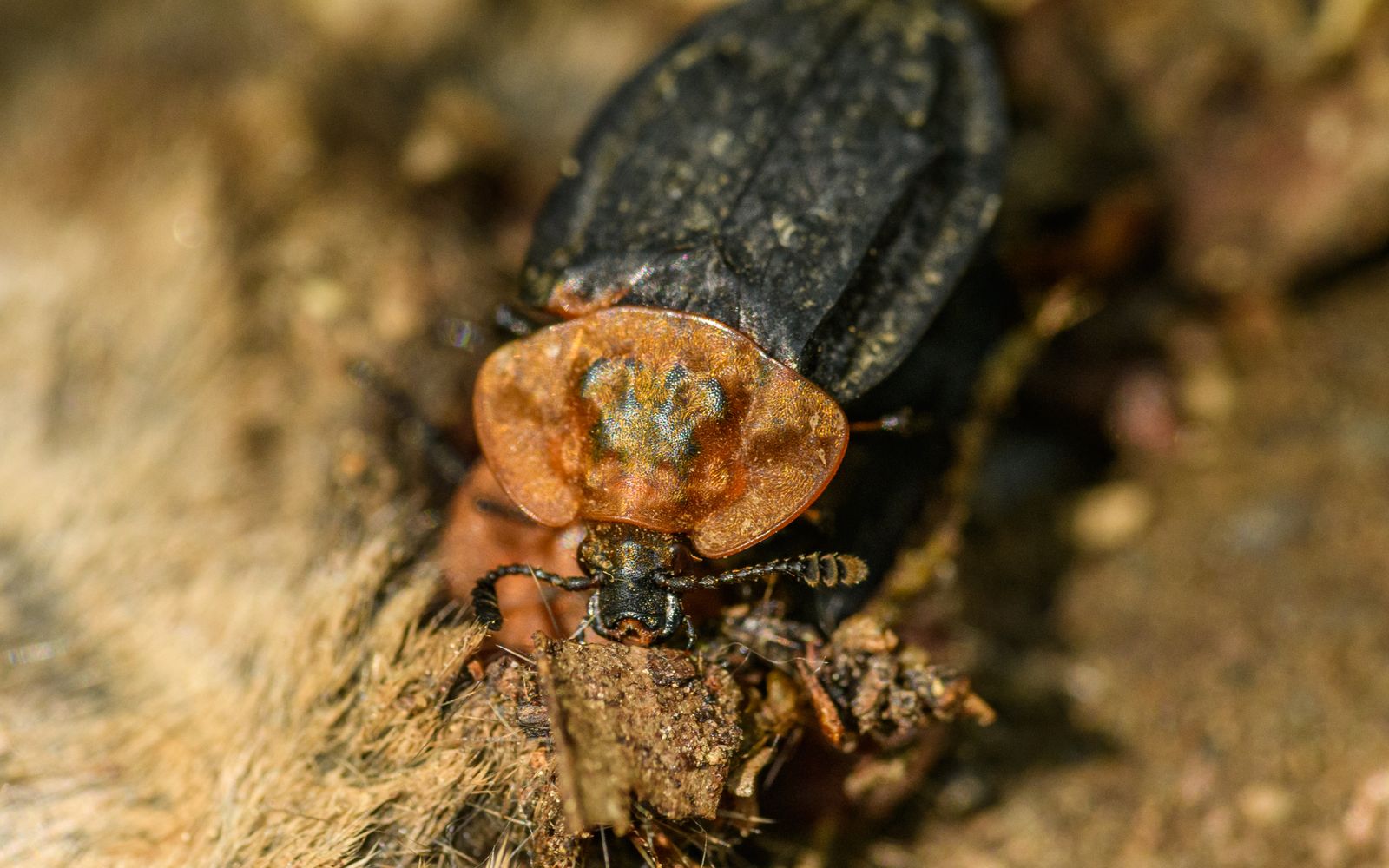
An adult beetle on the ground, the stage that lays the eggs
Feeds on roots Jul - Oct

White grubs

Scarab larvae

The tell

Turf feels spongy underfoot and peels back like loose carpet because the roots are gone. Skunks, raccoons and birds tearing up the lawn overnight is the other giveaway.

Our plan

Preventive, always. A long-residual product goes into the root zone in round 03 and kills larvae as they hatch. By the time fall damage shows, the grubs are large and much harder to kill.
Small dark insect photographed close up
Feeds on crowns and blades Jun - Aug

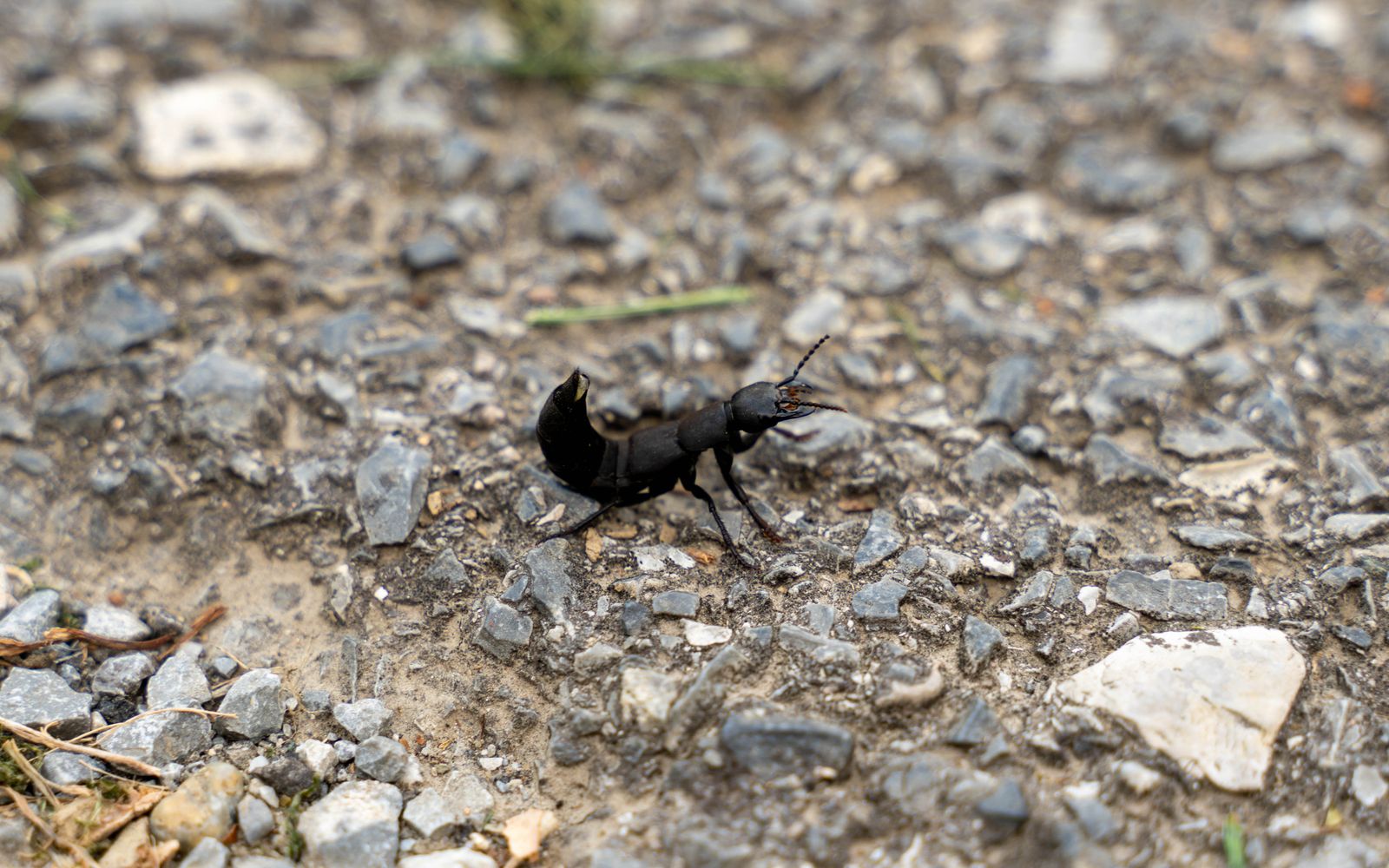
Chinch bugs

Blissus leucopterus

The tell

Irregular yellow patches in the hottest, sunniest strips that keep expanding no matter how much you water. Adults are a fifth of an inch, black with white wings folded in an X.

Our plan

Found by scouting in rounds 03 and 04, then treated curatively. Watering more looks like the fix and makes the diagnosis worse.

A caterpillar resting on green grass
Feeds on blades Jun - Sep

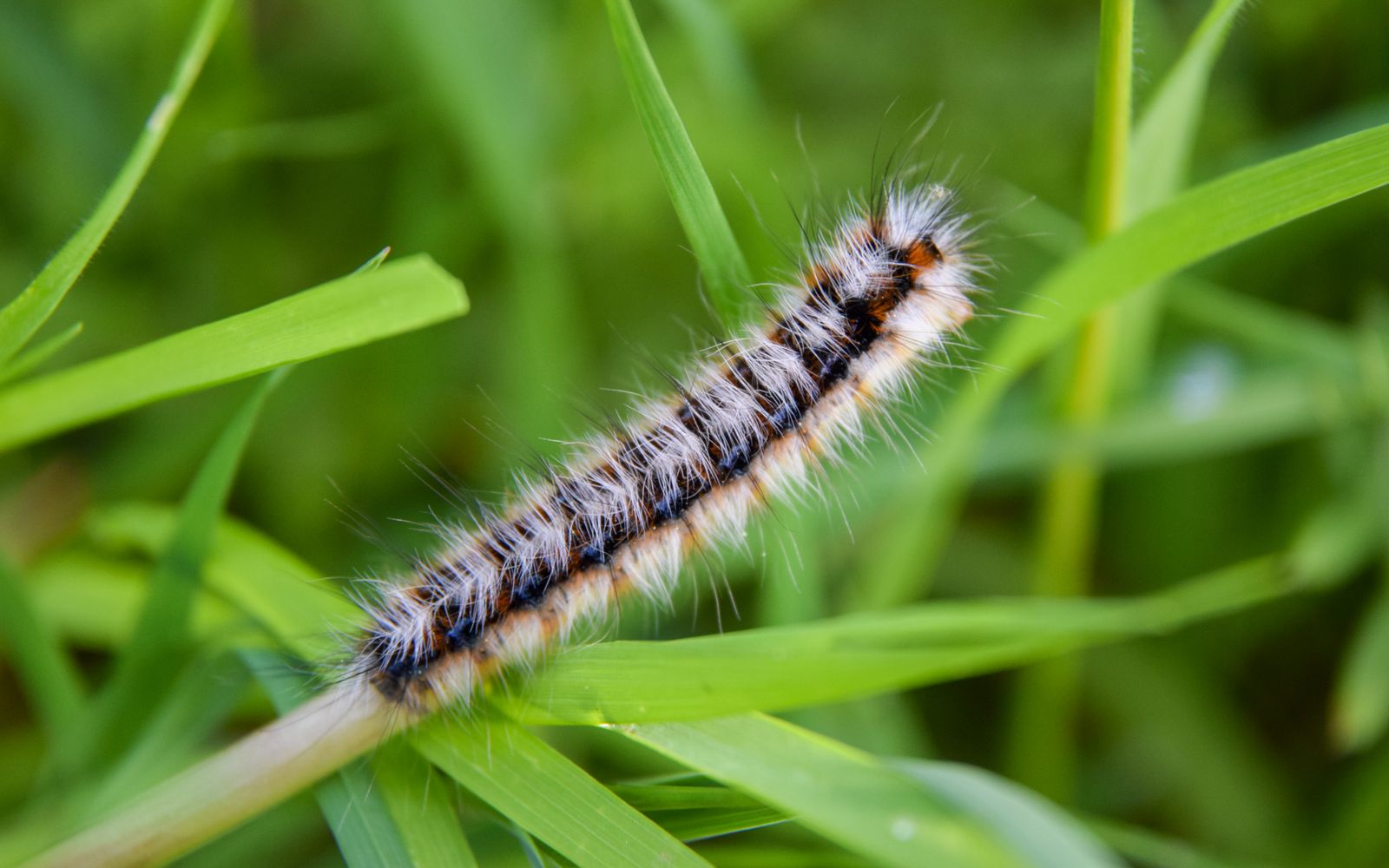
Sod webworms

Crambus spp.

The tell

Pencil-width holes in the turf, blades chewed off at an angle, and small tan moths flying in a zig-zag just above the lawn at dusk.

Our plan

Curative. Confirmed by a soap flush during scouting, then treated the same week — larvae feed at night and damage compounds quickly.

A caterpillar crawling along a blade of grass
Feeds on blades Aug - Oct

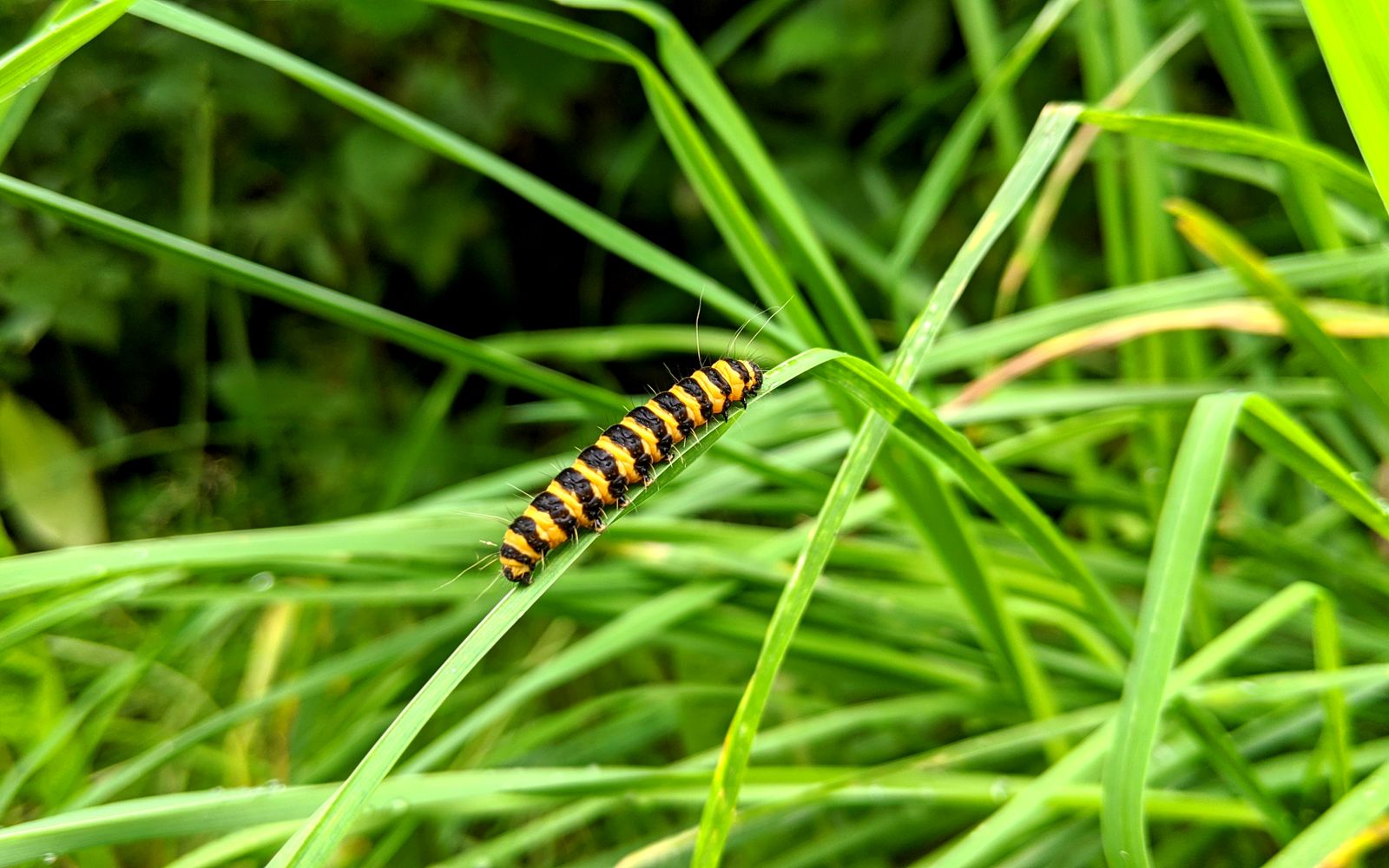
Fall armyworms

Spodoptera frugiperda

The tell

A green front that eats across the lawn and can strip it in a day or two. Larvae are green to brown with stripes and an inverted Y on the head.

Our plan

They migrate in, so no calendar product prevents them. The answer is scouting and treating the moment caterpillars are confirmed.

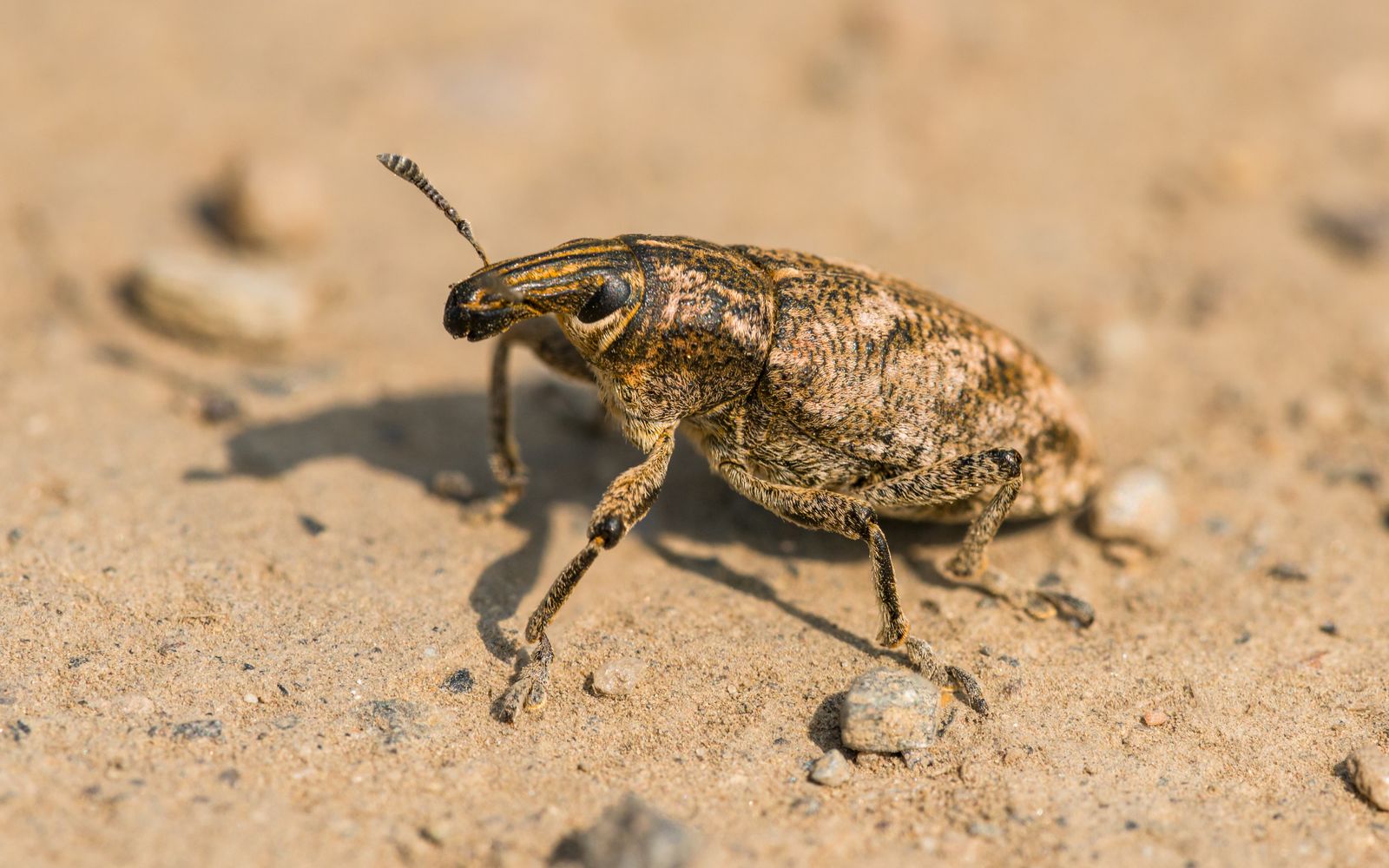
A weevil on bare soil; billbugs are a type of weevil
Feeds on stems then roots May - Aug

Billbugs

Sphenophorus spp.

The tell

Stems snap cleanly at the crown with fine sawdust-like frass at the break. Damage is often mistaken for drought that never recovers.

Our plan

Adults are targeted in late spring; larvae are covered by the round 03 preventive, which handles billbugs and grubs in one pass.

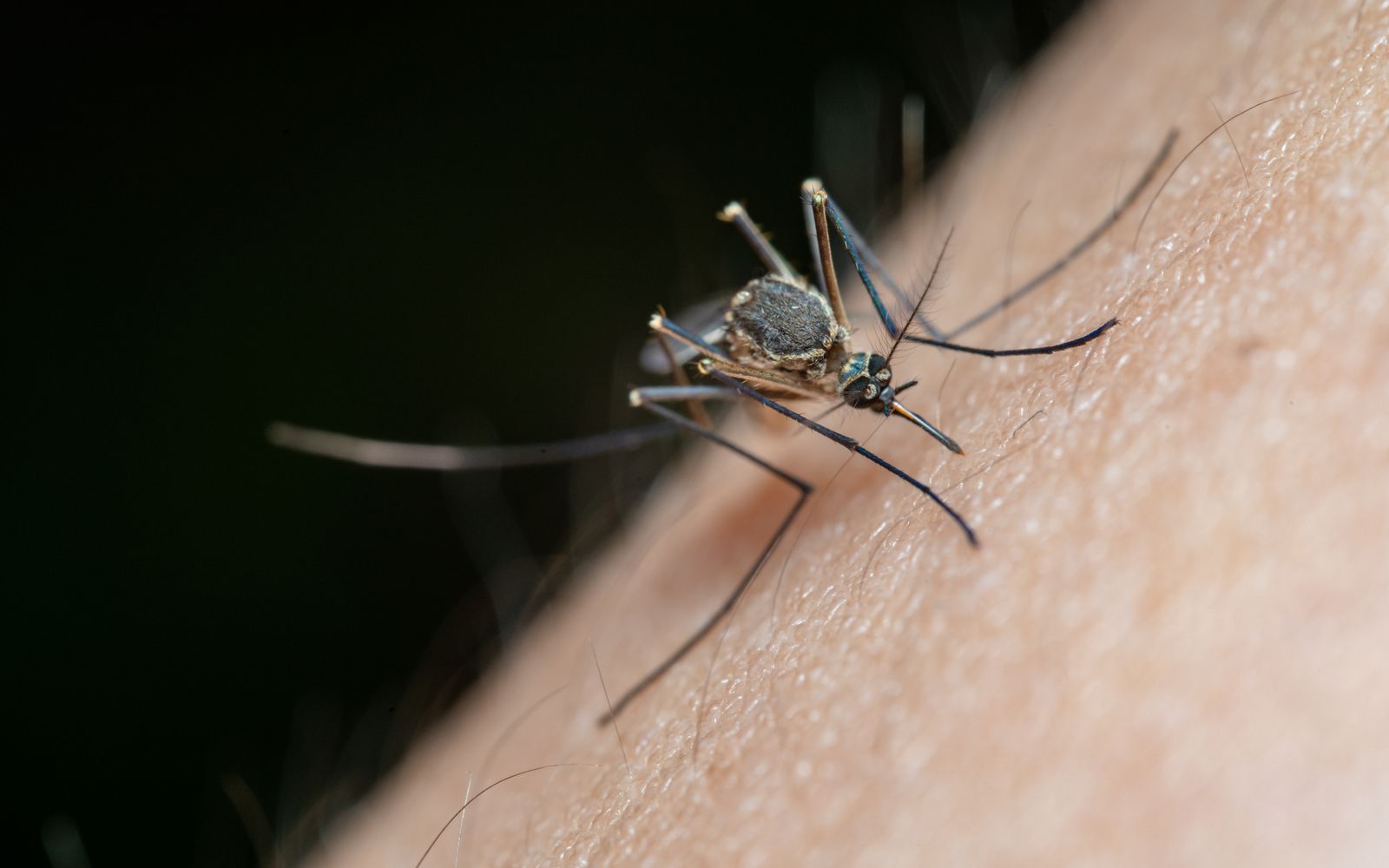
Mosquito photographed in macro
Feeds on you Apr - Oct

Mosquitoes, fleas and ticks

Perimeter pests

The tell

Not a turf problem — a yard-use problem. They breed in standing water, leaf litter and the shaded border where nobody looks.

Our plan

Optional add-on. Monthly barrier treatment of the shrub line, fence rows and shaded harbourage from April through October.

Kids, pets and the label

Applied by people who have to answer for it.

Insect control is the service homeowners ask the most questions about, and reasonably so. Here is exactly how we handle it.

  • Applications are made by licensed commercial applicators, to label rate — the label is the law, not a guideline
  • Stay off treated areas until dry, usually one to two hours; granular products are safe once watered in
  • A posted notice goes in the lawn on every visit with the product used and the re-entry time
  • Preventive grub control is one application a year, not a monthly spray
  • We do not treat for insects we have not confirmed, which is the simplest way to use less product
  • Beneficial insect pressure matters: flowering weeds are treated selectively, and we avoid application when pollinators are actively foraging
A family spending time together on their back lawn

Next step

We walk the lawn first.
The quote comes after.

An inspection takes about twenty minutes. You get a soil reading, a written list of what is growing that shouldn’t be, and a price. No obligation, and we will tell you if your lawn does not need us yet.