N
Nitrogen
Growth and colour
Drives blade growth and the green you actually see. We use slow-release forms so it feeds over weeks instead of dumping everything in four days and forcing a mow.
Home/Services/Fertilization
Anyone can make a lawn green for three weeks. Density is the harder thing, and it is built underground in autumn — which is why our heaviest feeding lands in October, not in the middle of a July heatwave.
Step one
At the wrong pH, nutrients lock up chemically. The bag says the grass is being fed; the roots never see it. This is the single most common reason a lawn on a program still looks tired.
What’s in the bag
Every fertilizer bag carries an N–P–K ratio. Getting the balance wrong is how lawns end up lush, soft and the first on the street to burn out.
Growth and colour
Drives blade growth and the green you actually see. We use slow-release forms so it feeds over weeks instead of dumping everything in four days and forcing a mow.
Root establishment
Matters most for new seed and young roots. Established lawns rarely need it, and many areas restrict it, so we apply it only when the soil test and the overseeding call for it.
Stress tolerance
The one homeowners skip. It thickens cell walls and improves drought, heat, cold and disease tolerance, which is why our summer and winter blends lean on it heavily.
Through the season
The same fertilizer applied all year is a compromise in every season. Each round gets a formulation matched to what the plant is doing that month.
Slow-release granular nitrogen with a light, steady feed. The lawn is already growing hard on stored energy, so pushing it further only makes soft growth and more mowing. Enough to carry green-up, no more.
Potassium-weighted, low nitrogen. Heat and drought are the stress, not hunger. Potassium thickens cell walls and improves how the plant handles both, while heavy nitrogen in July invites disease.
Light nitrogen with chelated iron. Iron gives deep colour without forcing top growth, which lets a heat-stressed lawn look right again while it is still rebuilding.
The heaviest feeding of the year, applied straight after core aeration so it reaches the root zone through open holes. This is the round that decides next summer.
High potassium for cold hardiness, with nitrogen the plant stores over winter and spends on an early, even green-up before we have set foot on the lawn in spring.
The fall visit
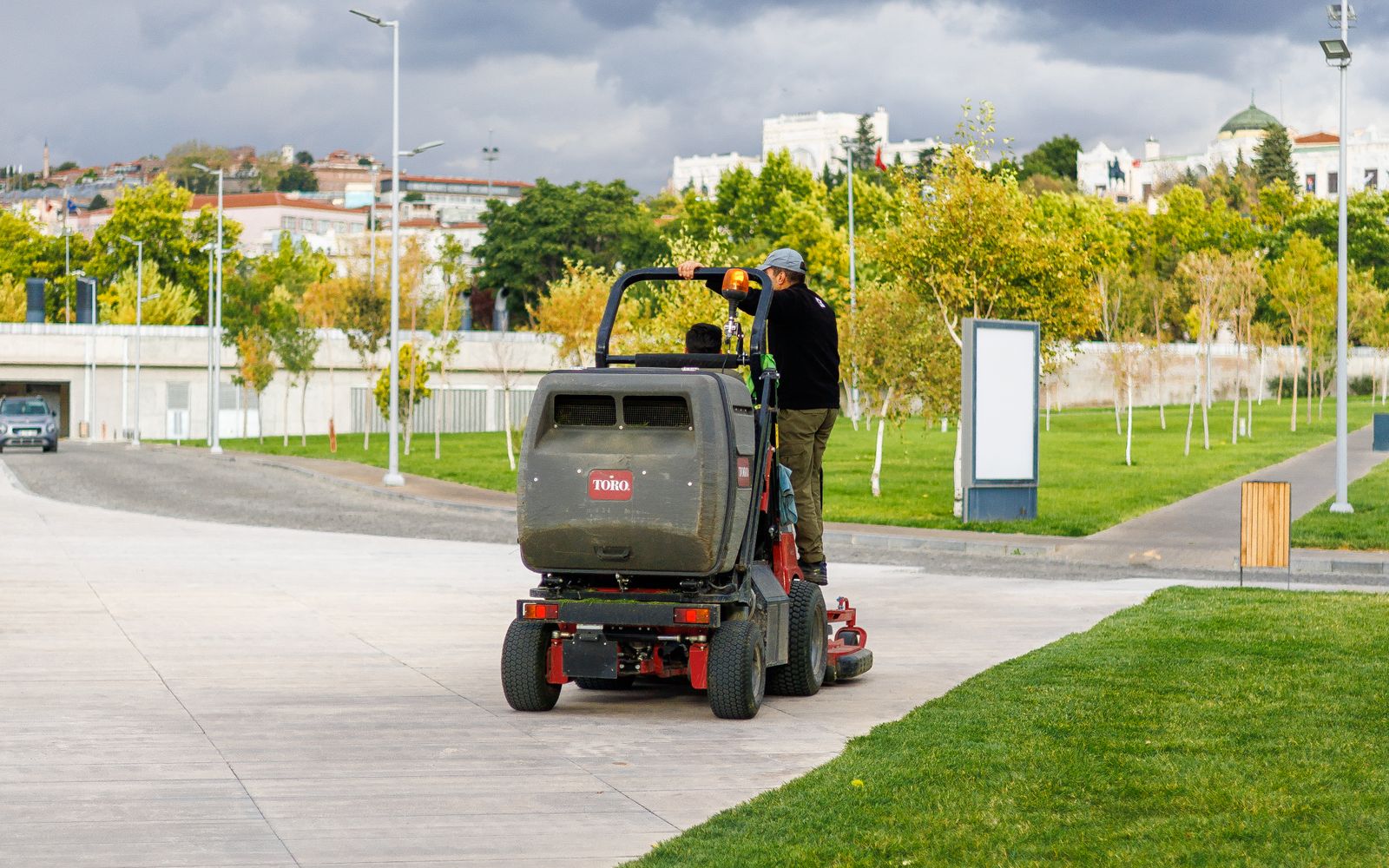
On compacted clay, granular fertilizer sits on the surface and waits for rain to carry it somewhere useful. Core aeration pulls thousands of soil plugs and gives it a direct route to the root zone.
Keep going
 Weed lane
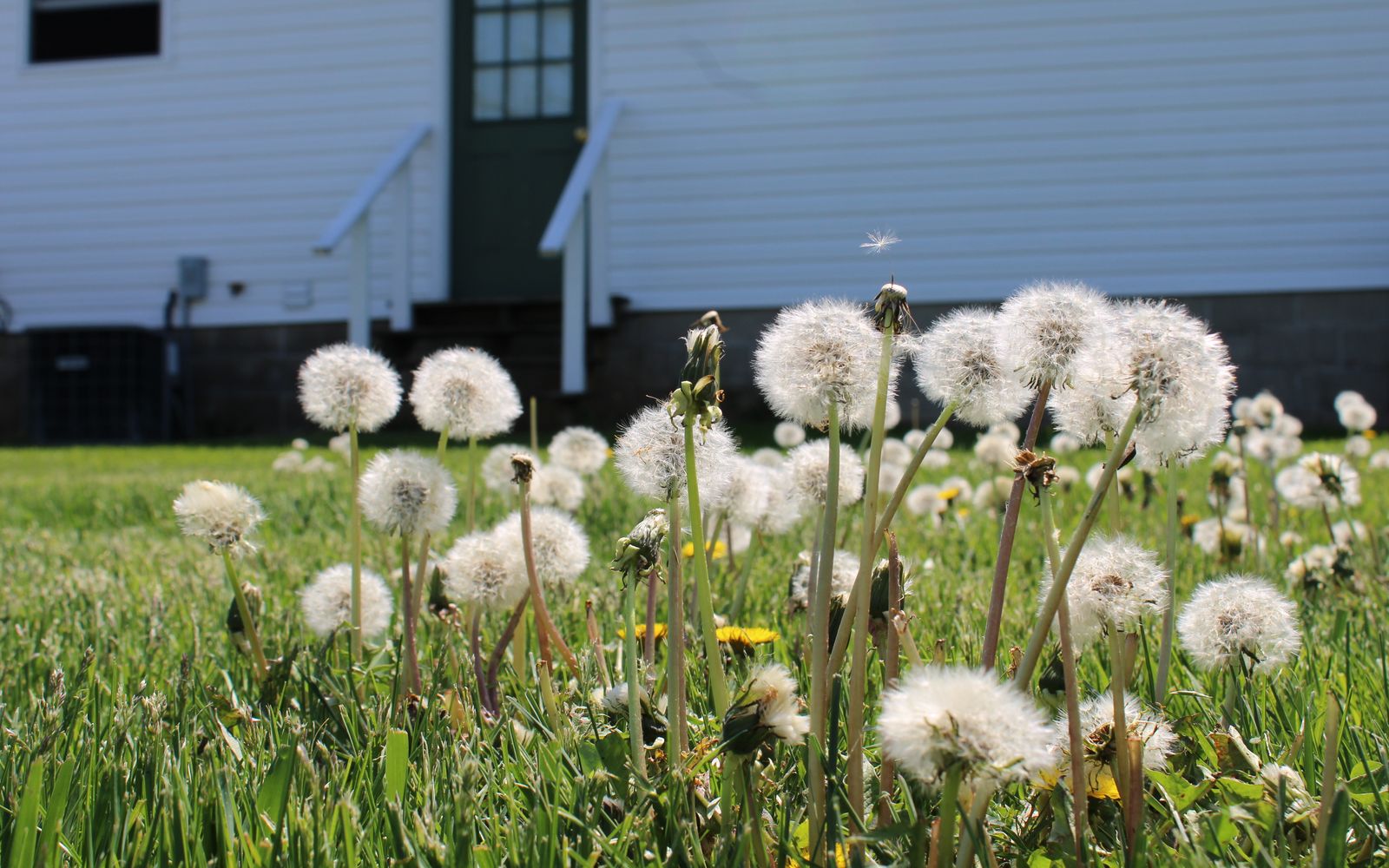
Pre-emergent + post-emergent
A soil barrier stops weed seed before it germinates. Anything that slips through gets treated by name, not blanket-sprayed by habit.
How it works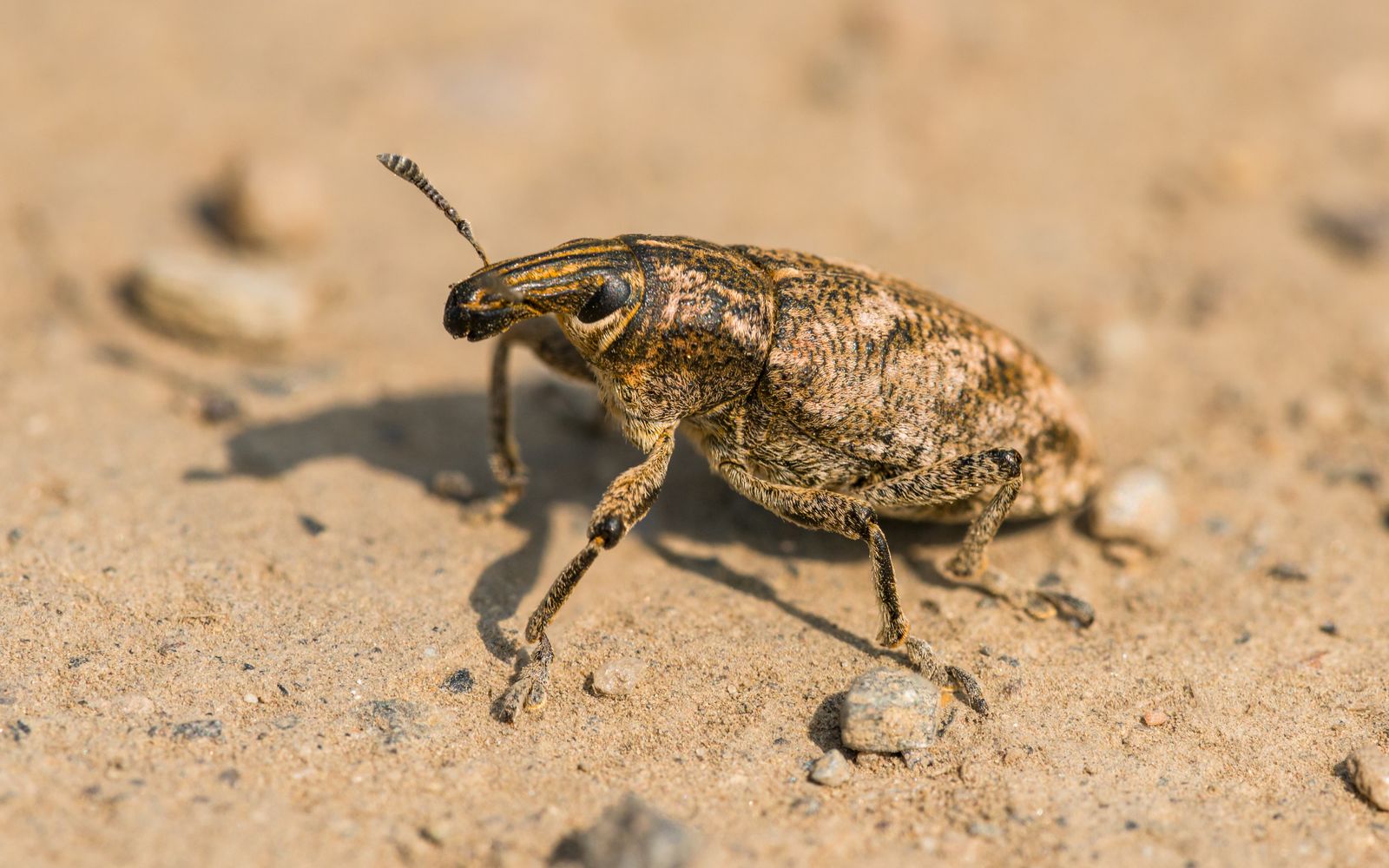 Insect lane
Prevent grubs, scout the rest
Grubs are stopped before they hatch. Surface feeders are found by scouting on every visit and treated the week they turn up.
How it worksNext step
An inspection takes about twenty minutes. You get a soil reading, a written list of what is growing that shouldn’t be, and a price. No obligation, and we will tell you if your lawn does not need us yet.