Crabgrass
Digitaria spp.
The tell
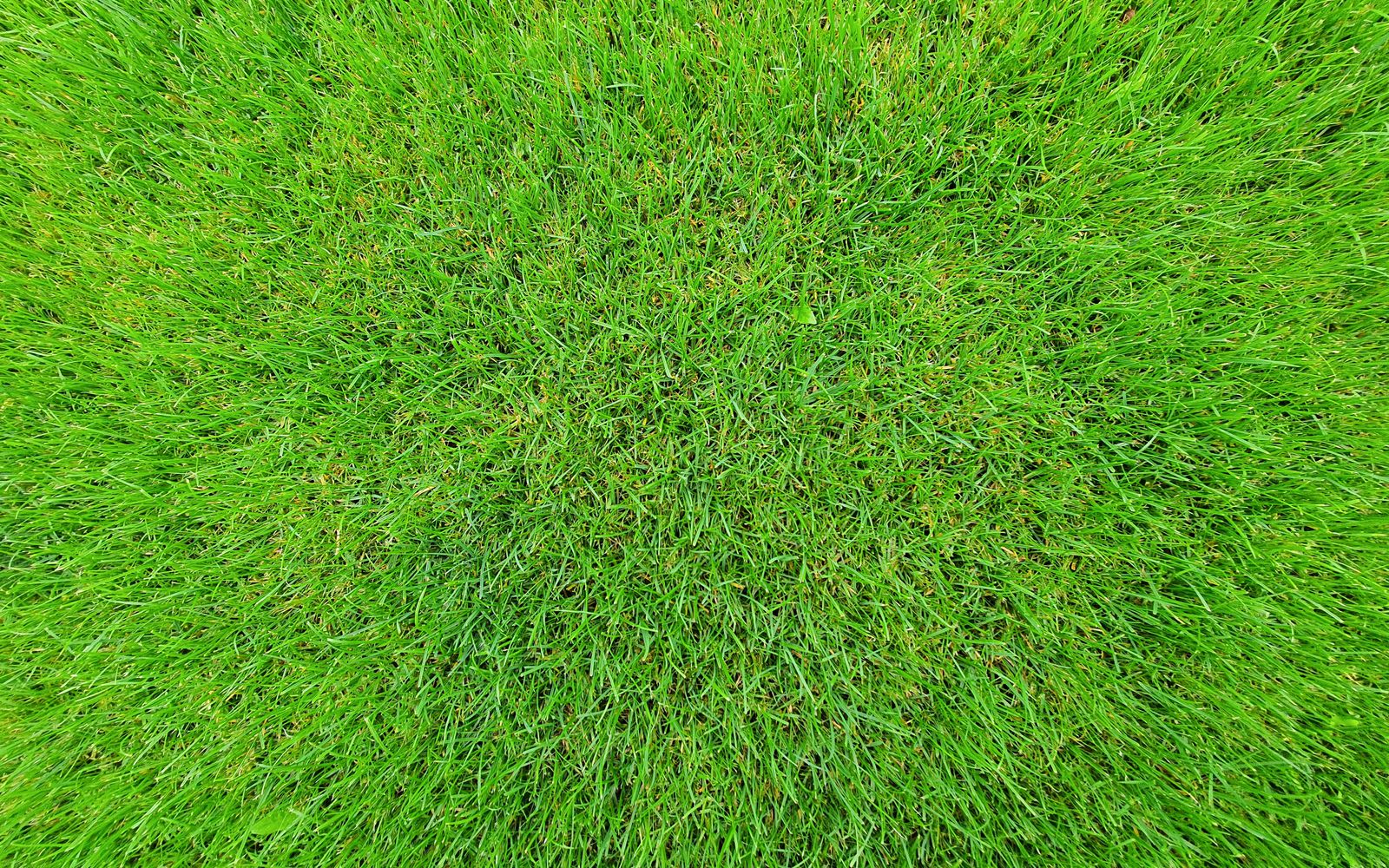
Flat, light-green rosettes that sprawl from a central crown, always worst along driveways and south-facing edges where the soil runs hot.
Weed control, fertilization and insect control for home lawns — applied in seven timed rounds by licensed applicators who walk the lawn before they treat it.
What we treat
A lawn thins for a reason. We treat the three that account for nearly every call we take — and we treat them in an order that lets each one hold.
 Weed lane
Pre-emergent + post-emergent
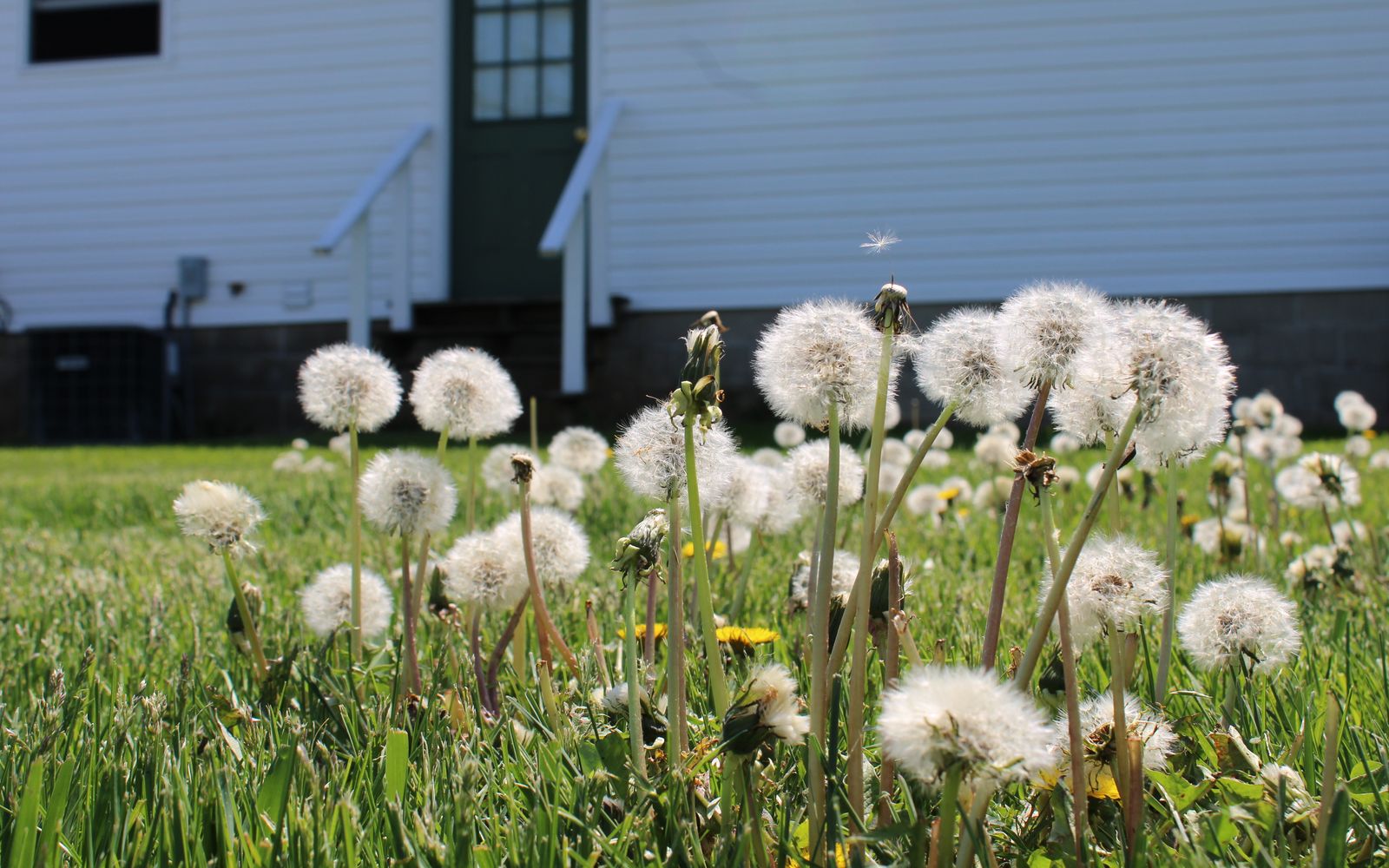
A soil barrier stops weed seed before it germinates. Anything that slips through gets treated by name, not blanket-sprayed by habit.
How it works
Feed lane
Slow-release nutrition
Seven feedings built around a soil test and weighted to fall, when 80% of root growth actually happens. Colour is the side effect; density is the goal.
How it works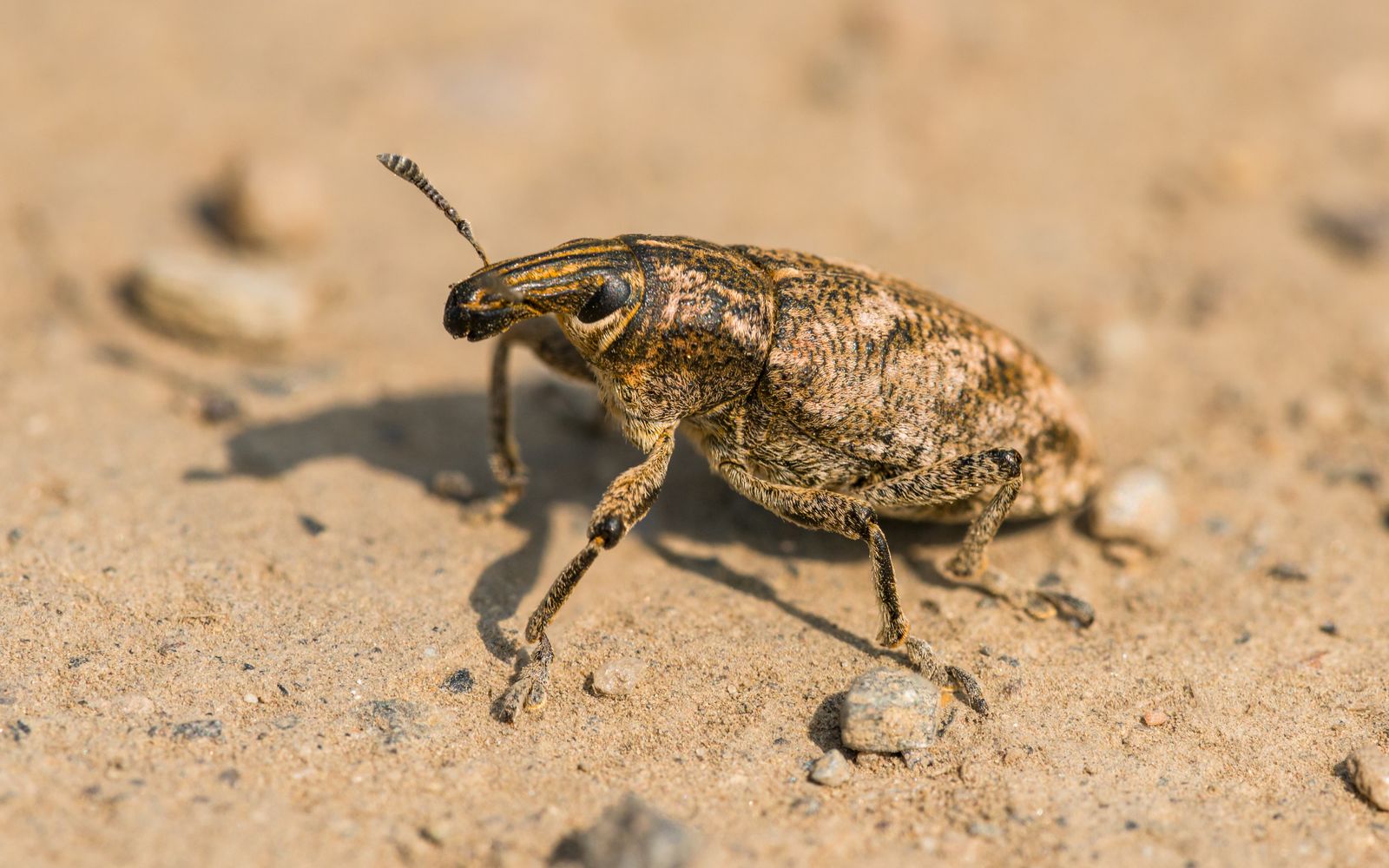 Insect lane
Prevent grubs, scout the rest
Grubs are stopped before they hatch. Surface feeders are found by scouting on every visit and treated the week they turn up.
How it worksThe treatment year
Lawn care fails on timing far more often than on product. Every bar below sits in the weeks when that treatment actually works. Pick a round to see what it does.
Swipe the chart sideways →
The barrier goes down before soil temperature reaches 55°F, which is when crabgrass seed wakes up. Miss this window and you chase crabgrass all year.
How we work
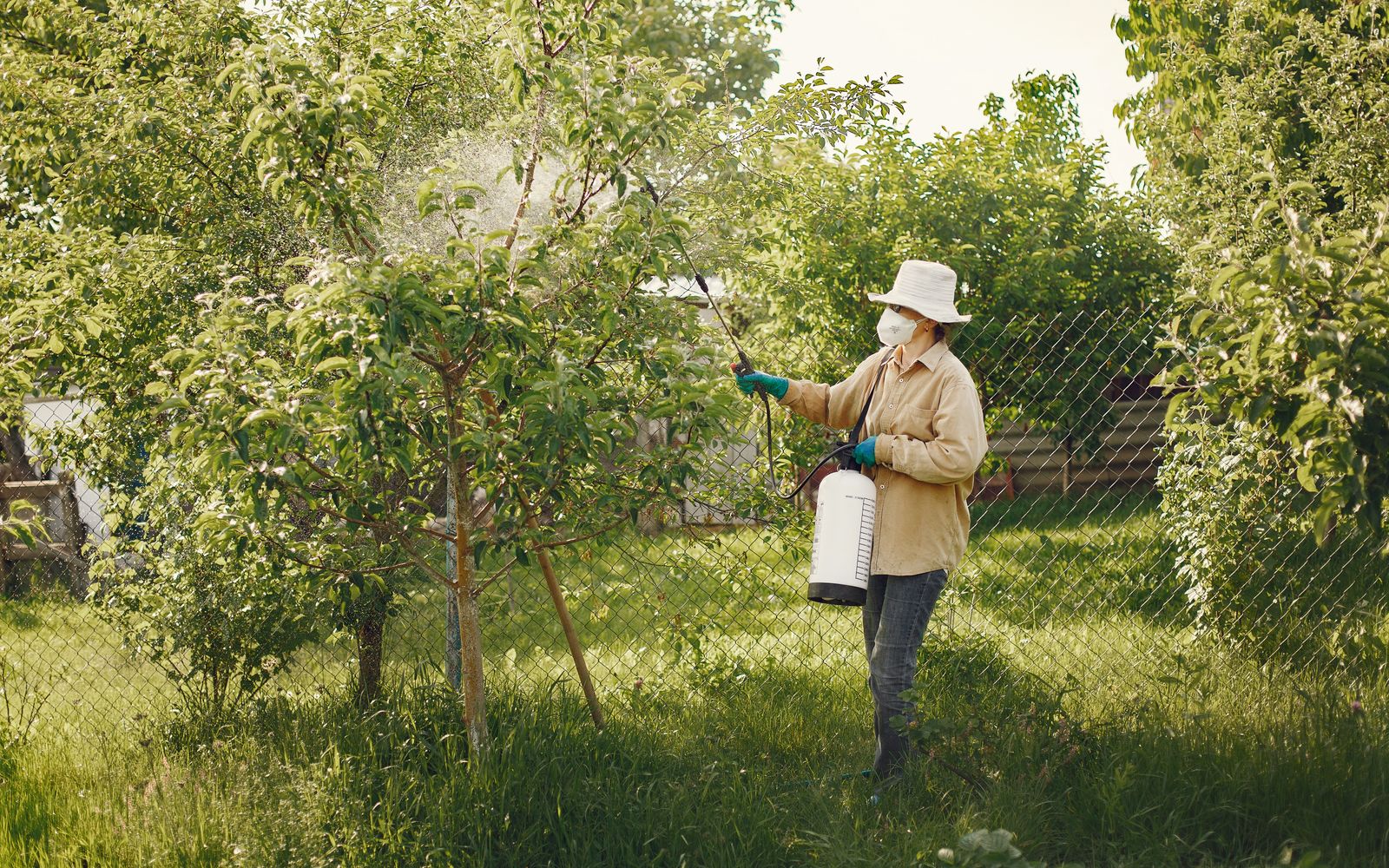
Two lawns on the same street can need opposite things. Blanket-spraying every property on a route is fast and cheap, and it is why so many lawns look treated without ever looking healthy.
Field guide
Most lawn problems are misdiagnosed before anyone reaches for a product. Here are four of the most common — and the most commonly confused.
Digitaria spp.
Flat, light-green rosettes that sprawl from a central crown, always worst along driveways and south-facing edges where the soil runs hot.
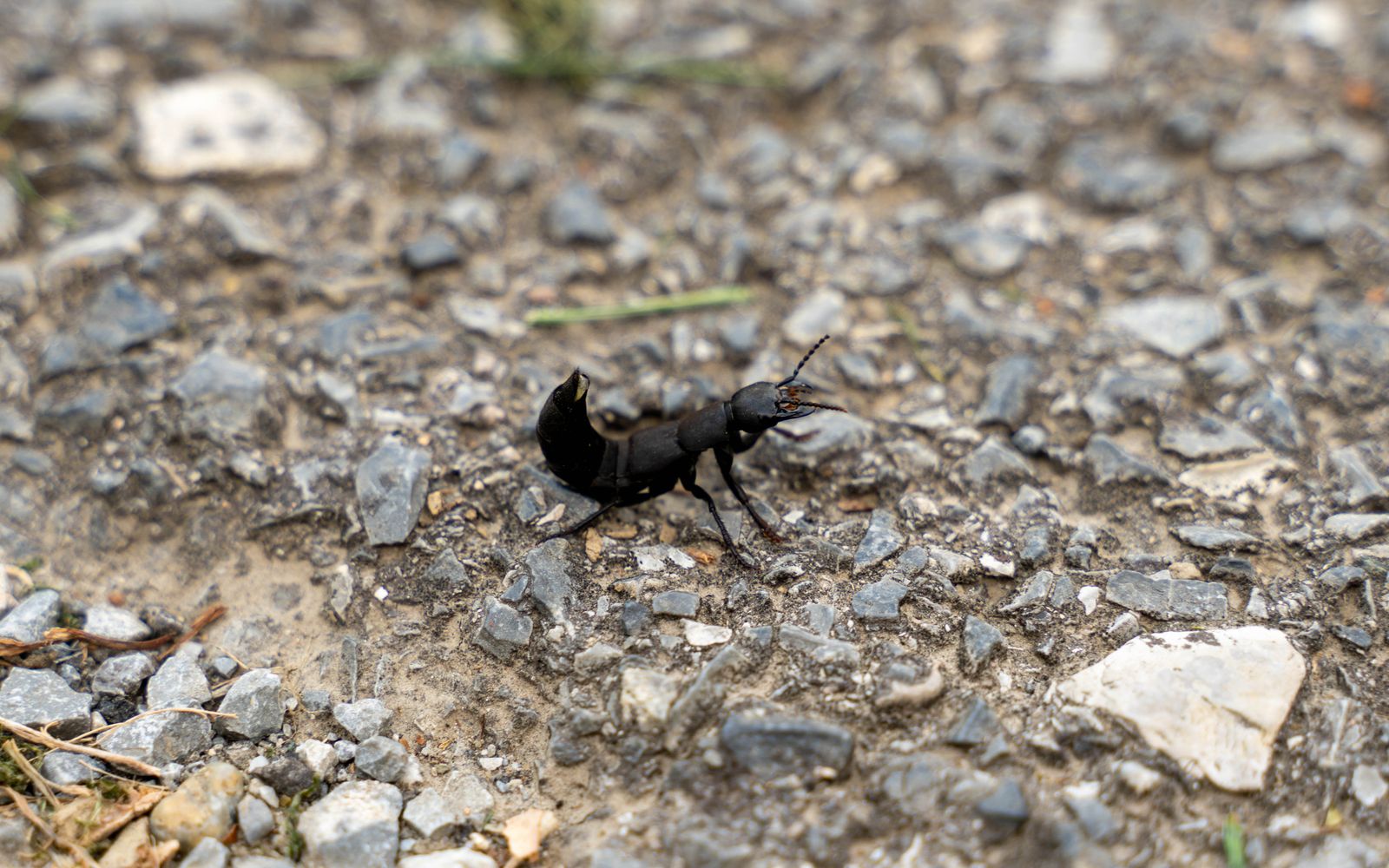
Scarab larvae
Turf feels spongy underfoot and peels back like loose carpet because the roots are gone. Skunks, raccoons and birds tearing up the lawn overnight is the other giveaway.
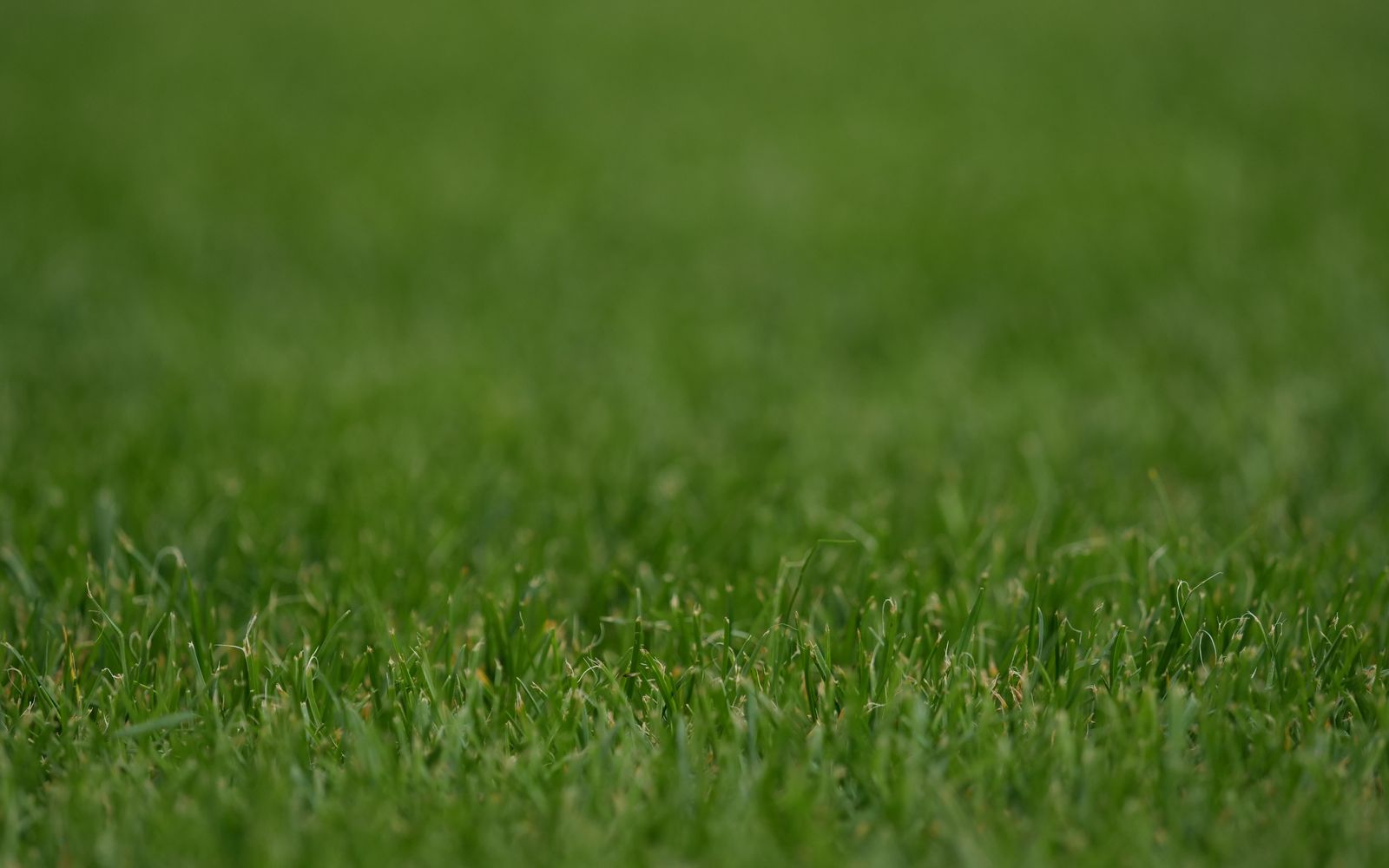
Cyperus esculentus
Glossy yellow-green, grows faster than everything around it, and the stem is triangular when you roll it between your fingers.
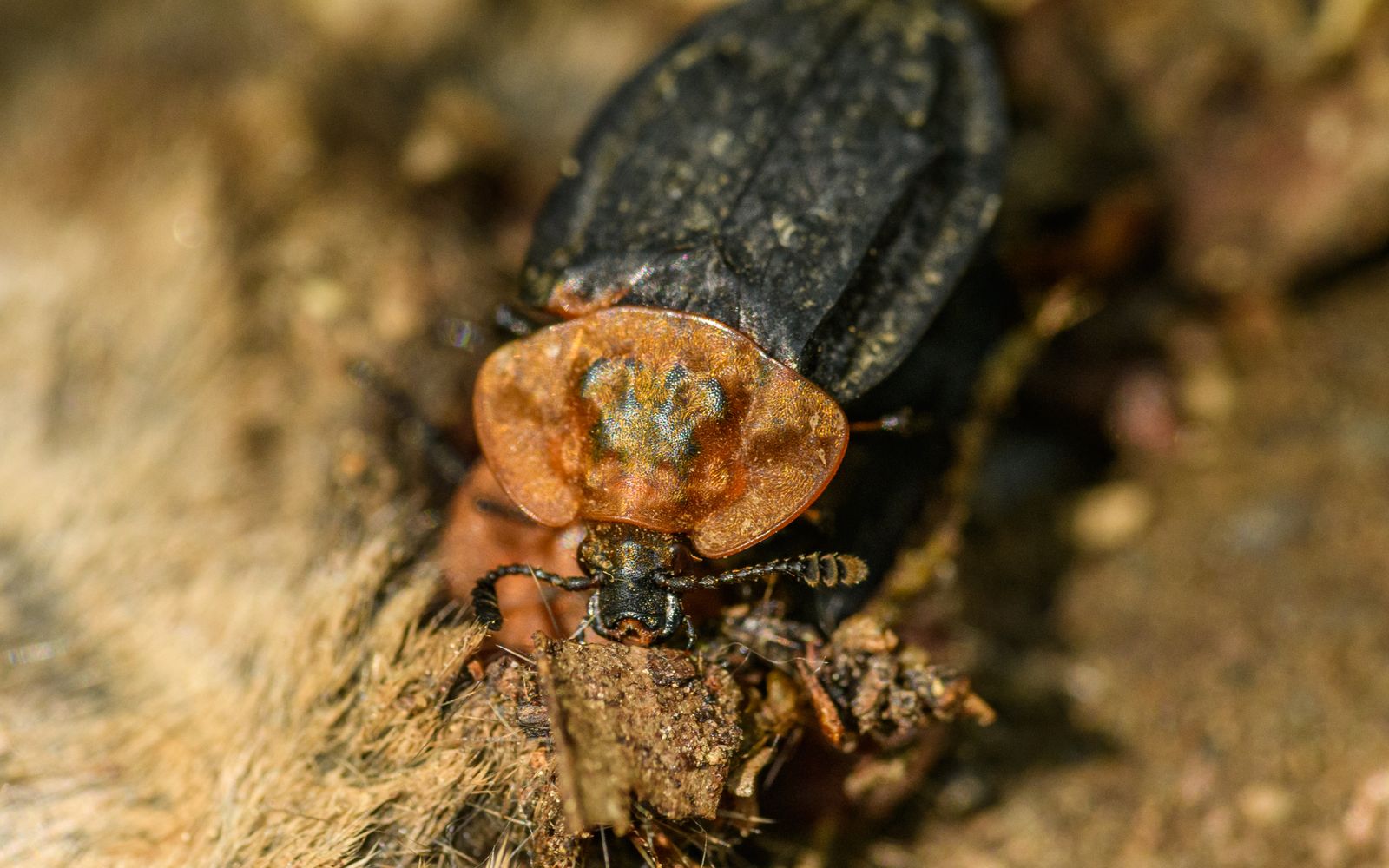
Blissus leucopterus
Irregular yellow patches in the hottest, sunniest strips that keep expanding no matter how much you water. Adults are a fifth of an inch, black with white wings folded in an X.
From the route
They found chinch bugs along my driveway strip in July and treated it the same visit at no charge. Two other companies had told me it was drought.
The soil test explained why the back yard never held colour. Fixing the pH did more in one season than four years of me guessing at the hardware store.
Crabgrass along the sidewalk was the reason I called. First spring on the program it simply did not come up.
Next step
An inspection takes about twenty minutes. You get a soil reading, a written list of what is growing that shouldn’t be, and a price. No obligation, and we will tell you if your lawn does not need us yet.